
Are dementia villages meeting their goals?
In 2019, the Canadian Agency for Drugs and Technologies in Health (CADTH) began to review the early evidence on dementia villages. CADTH started by trying to answer the question: Are dementia villages improving their residents’ quality of life?
Although researchers can define “improved quality of life” in various ways, for someone living with advanced dementia, that likely includes specific design factors, including home-like group living on a smaller scale and access to the outdoors with space and gardens in which to roam. And these factors are the essential elements in the dementia village concept.
Also, CADTH wanted to determine whether dementia villages would produce results appropriate for the money spent before incorporating them into the current health care system. Unfortunately, the agency could not garner enough information on the cost-effectiveness of dementia villages at that time.
Cost is an important consideration since this type of expensive care in a private facility will limit accessibility for many who need it. As the word gets out about dementia villages, there will need to be in-depth cost evaluations that include the initial cost to build the facility and ongoing expenses to operate it.
Will dementia villages become widespread alternatives to traditional dementia care?
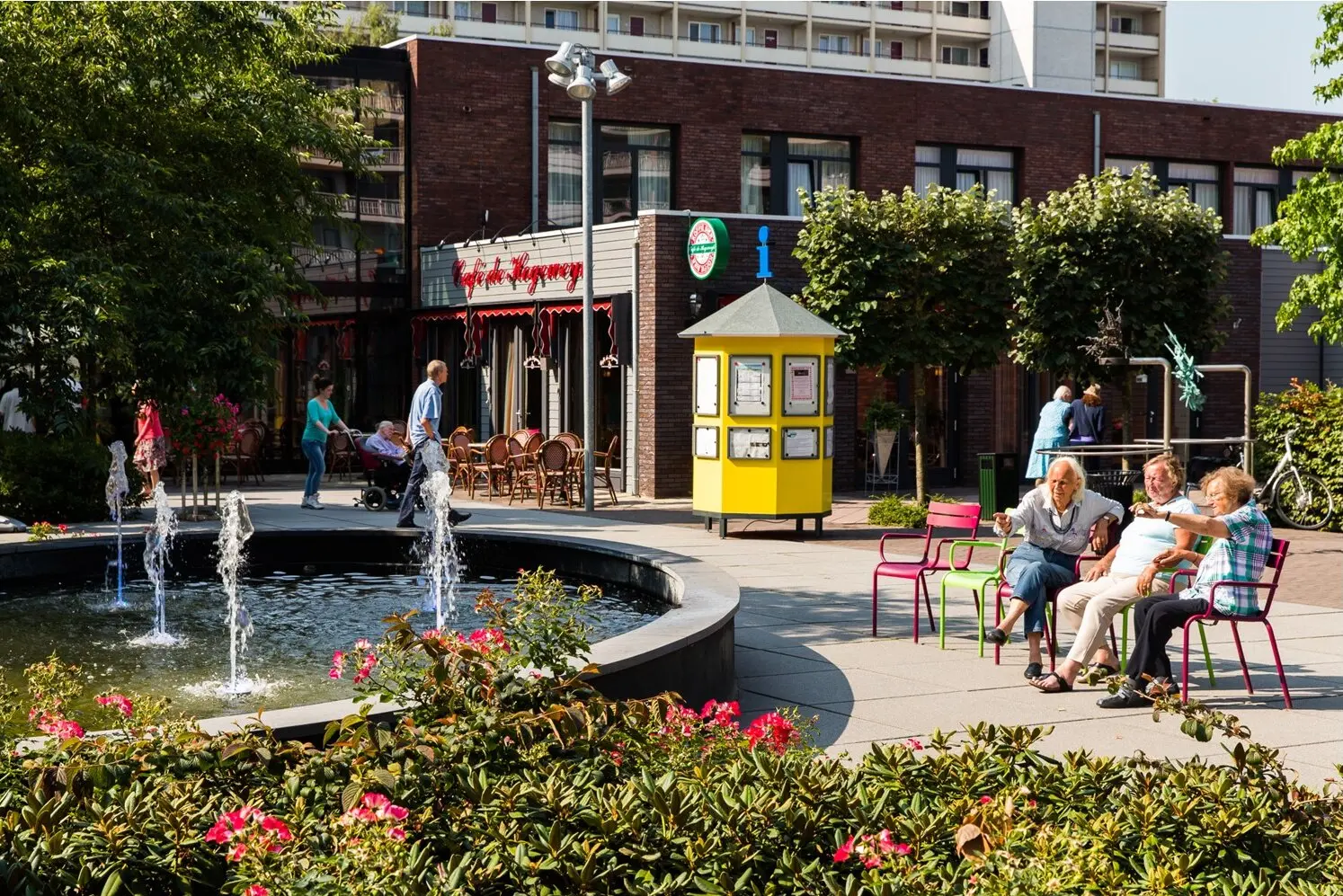
Interest in memory care centers based on the Hogeweyk Care Concept is increasing. Similar villages have cropped up in Italy and Germany. Several facilities fashioned after the village concept are being planned in Canada. And in the United States, smaller versions of Hogeweyk have already been built.
As more seniors face memory-related losses, many view dementia villages offer an attractive alternative to traditional long-term care facilities. As these villages are launched, more evidence must be collected to determine the benefits and costs of this special care.
Written by Seniors Guide Staff
Photo credit: The Hogeweyk